01
Early season
Warm days, dry cover
- Blaze orange strap vest with game bag
- Breathable long-sleeve field shirt
- Briar-faced brush pants
- Lightweight, broken-in hunting boots
- Blaze orange cap

Briar-proof, broken in and bright where it counts.
Pheasant, quail, grouse and chukar. A long walk through rough cover with a dog out front and a shotgun in hand.
Season: Fall & winter · Time: Morning to dusk
Disclosure: some links on this page are affiliate links. If you buy through them we may earn a commission, at no extra cost to you.
The dress code
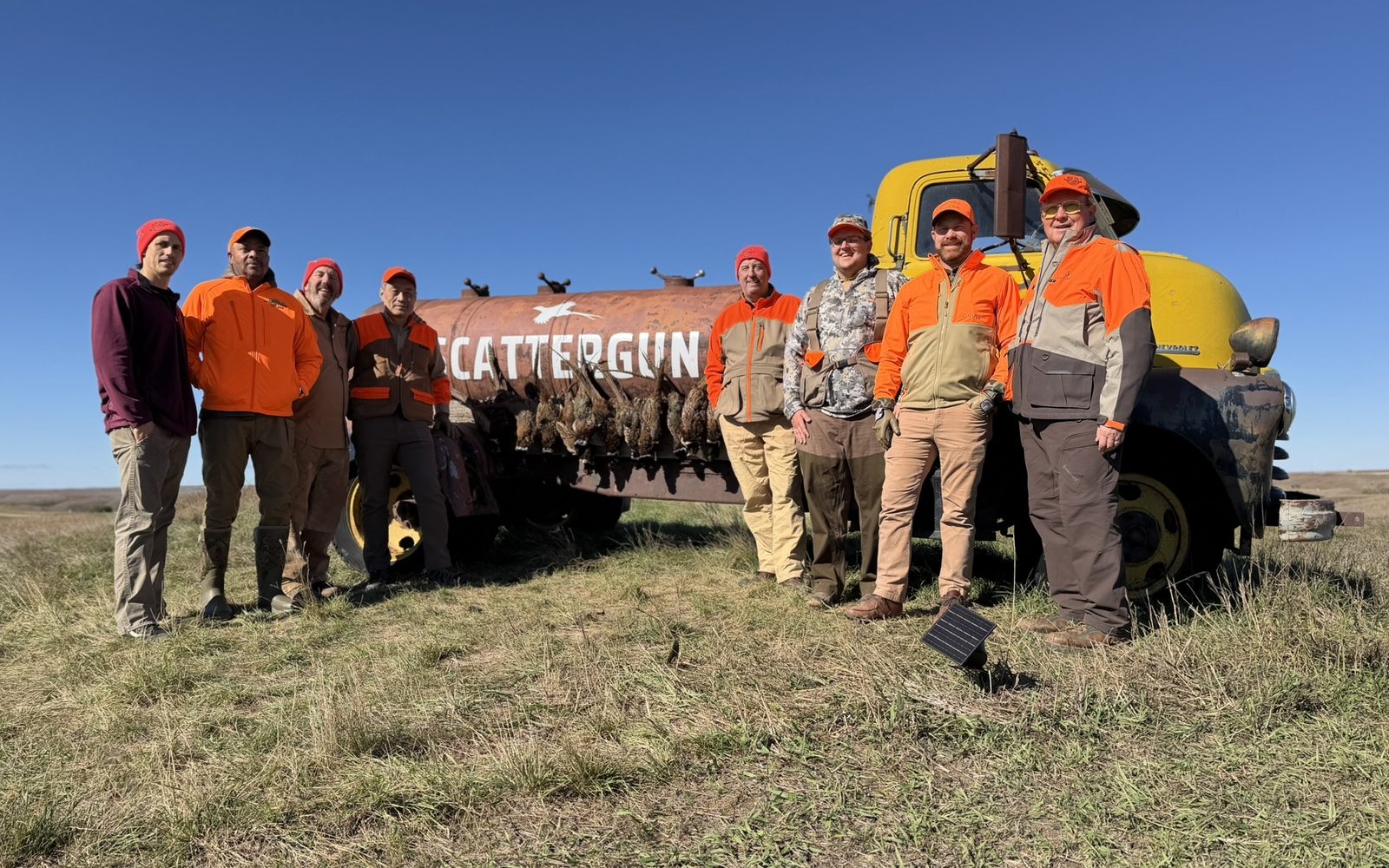
There's no invitation, but there is a code. You'll cover miles of briars, wet grass and thick cover, so everything should be tough, quiet and broken in.
Tradition leans toward earth tones like tan, olive and brown, with blaze orange where it counts. Layer up: you'll be cold at the truck and warm after the first field.
What to expect
Most of an upland hunt is walking: steady, quiet miles through grass, brush and field edges while the dogs work ahead. Then a bird explodes out of the cover, loud and fast, and you have a second or two to decide whether it's a safe, legal shot. The day rewards patience, fitness and calm hands far more than fancy gear.
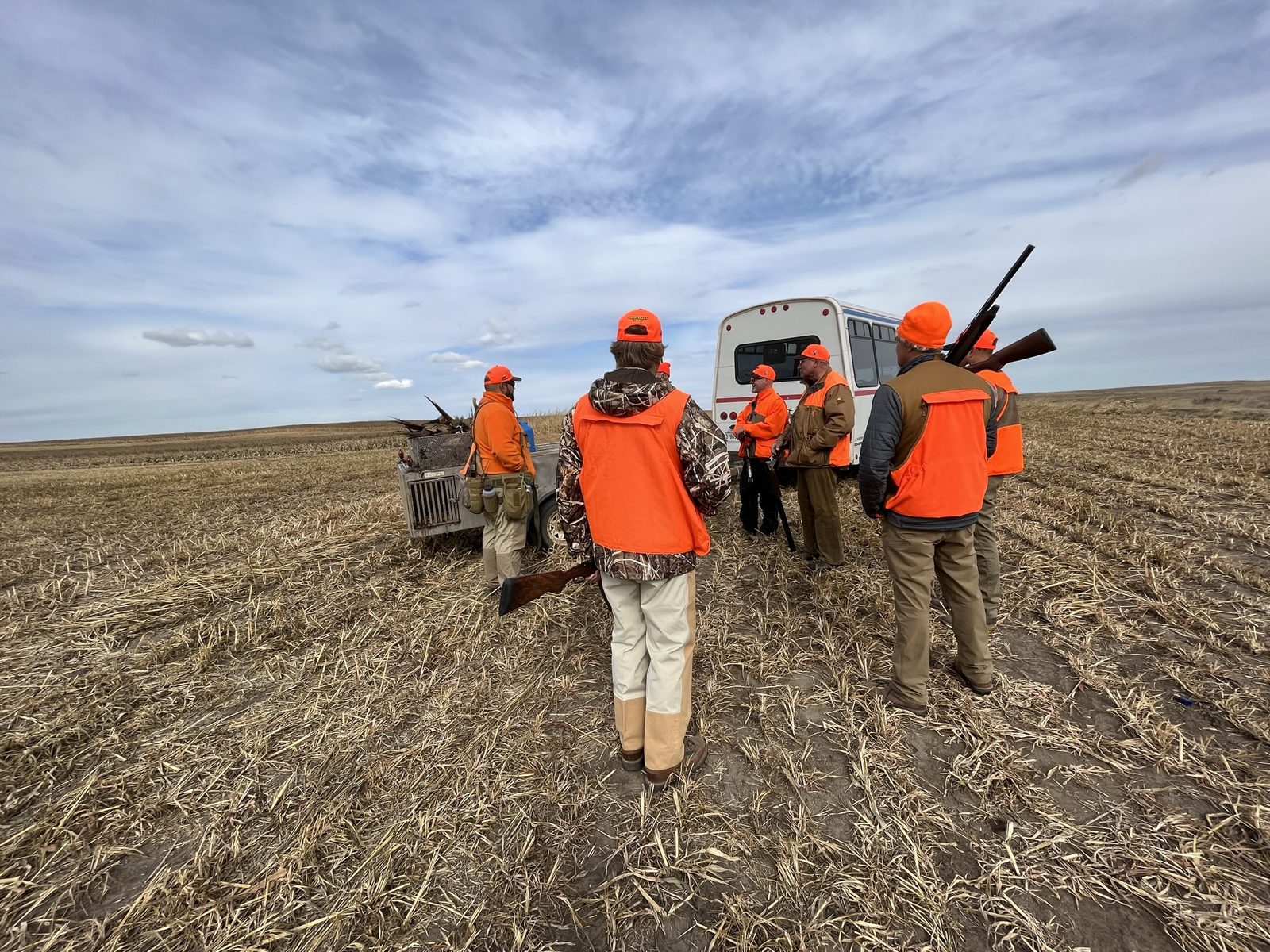
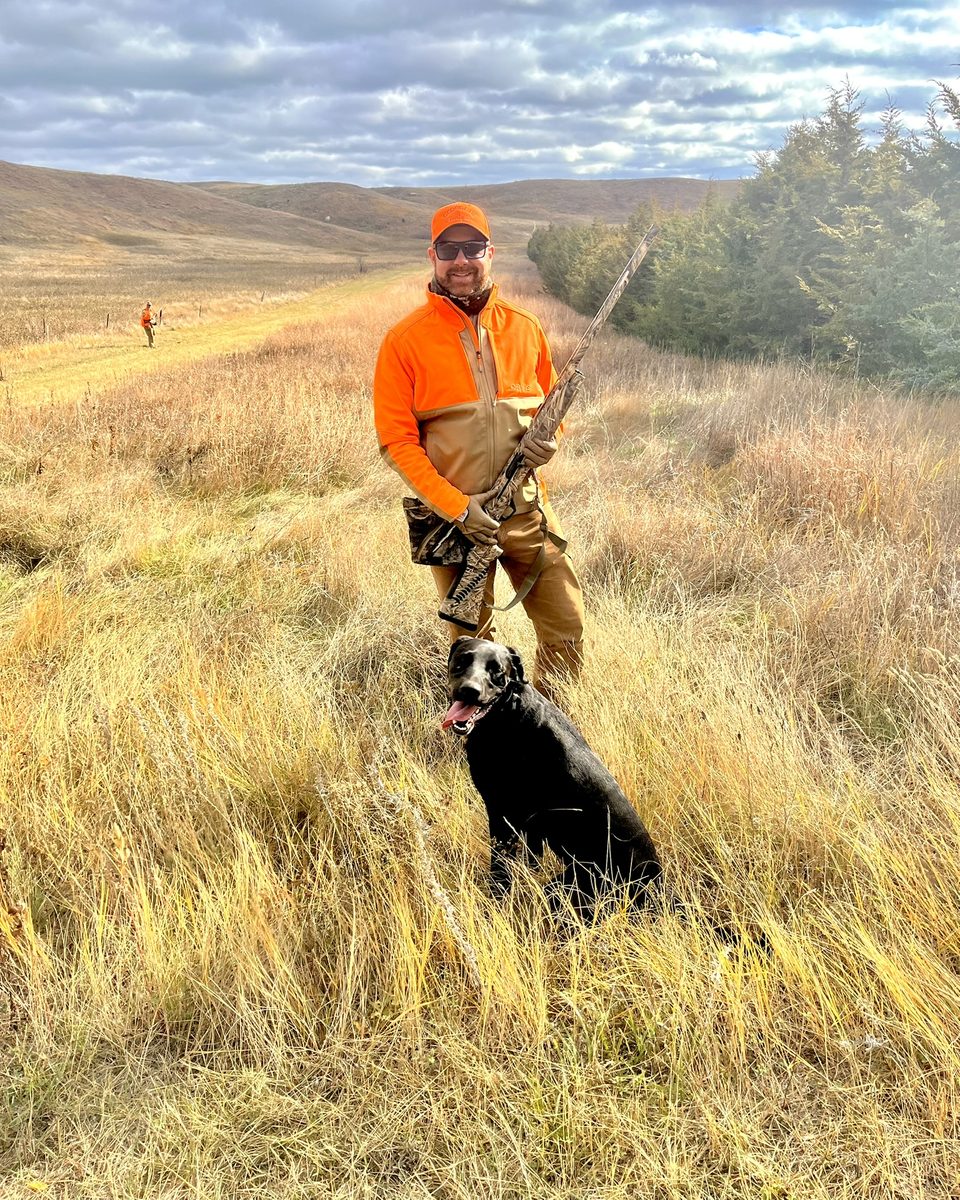
Photographed on real hunters
Warm days, dry cover
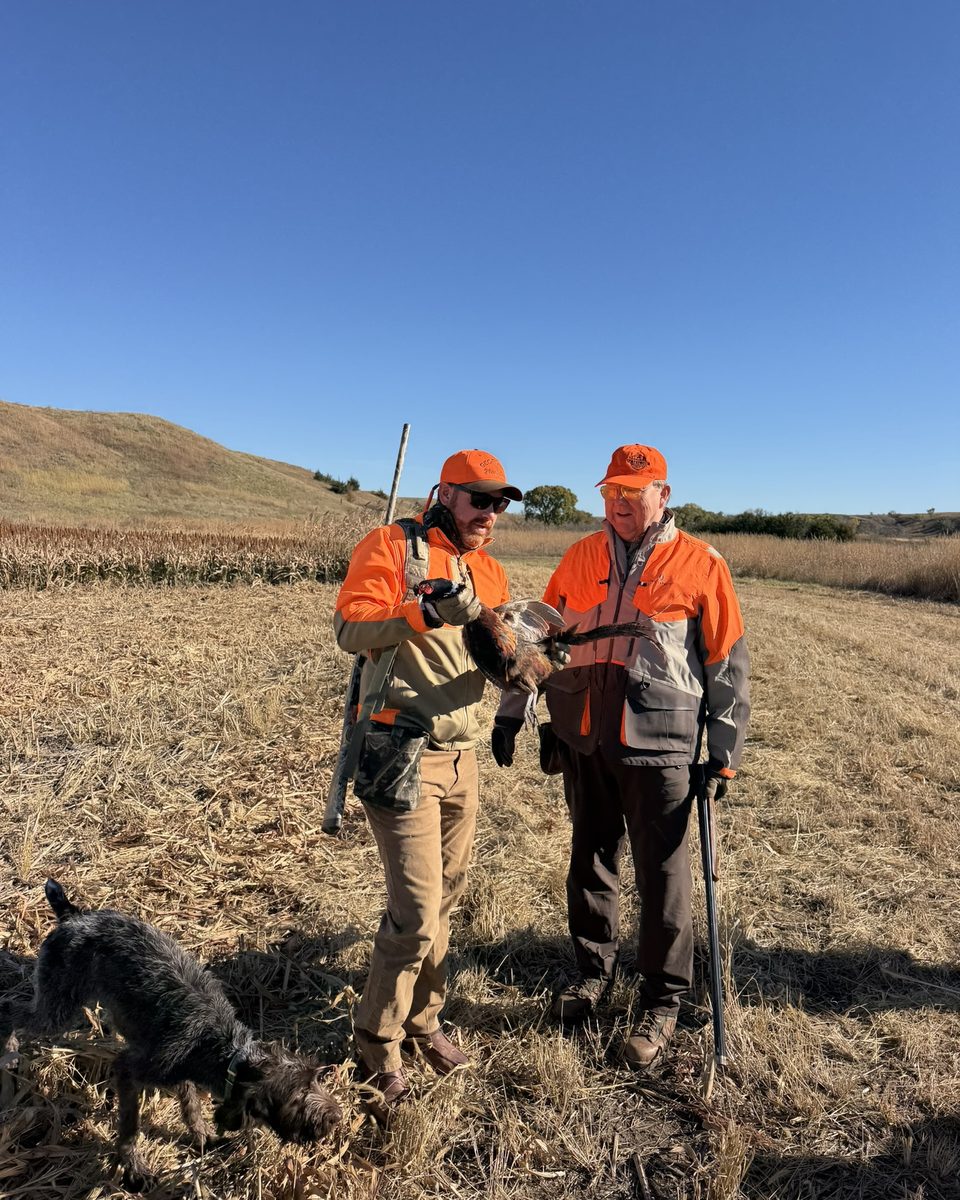
Cold mornings, wet grass
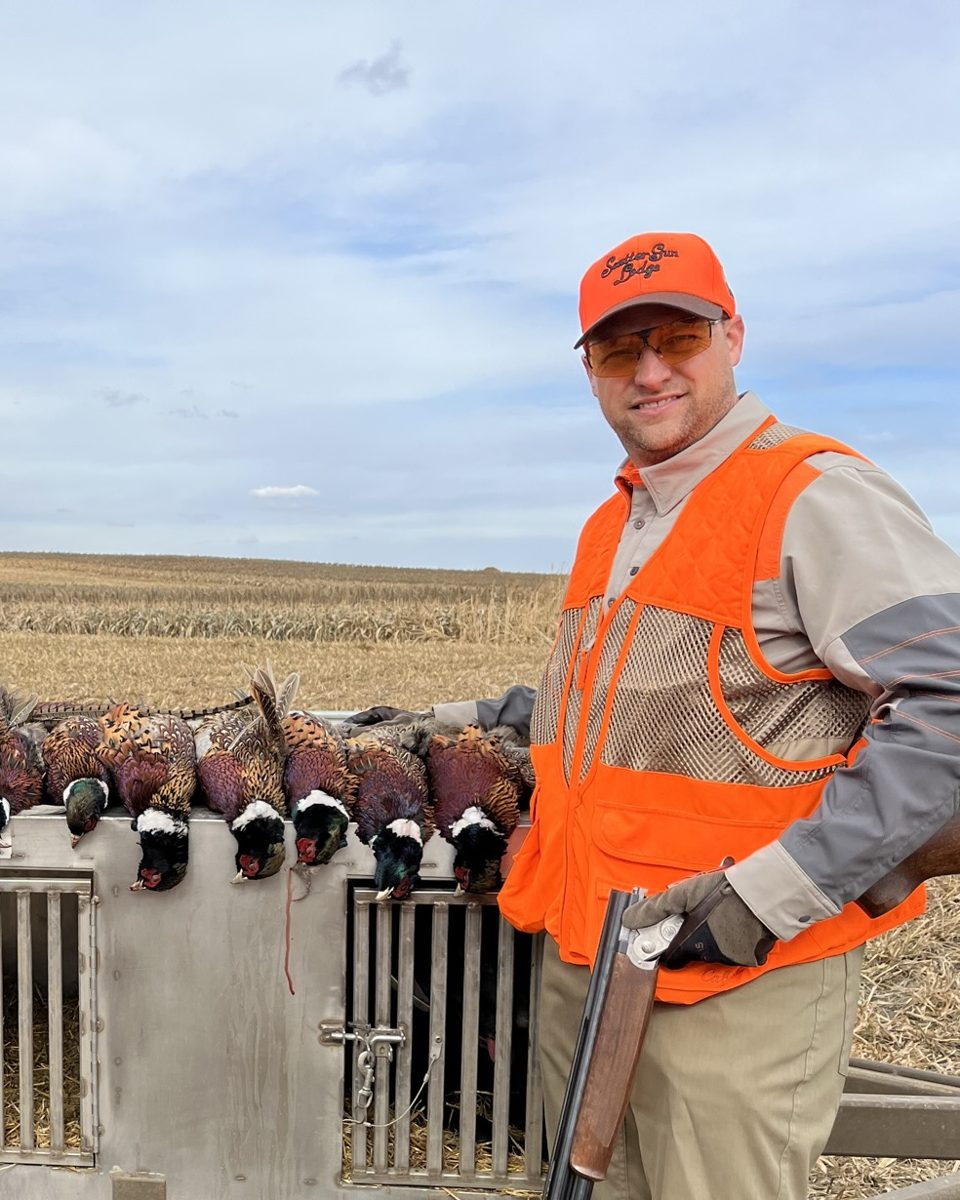
Simple, traditional, works anywhere
Real hunters. Real days. No models.
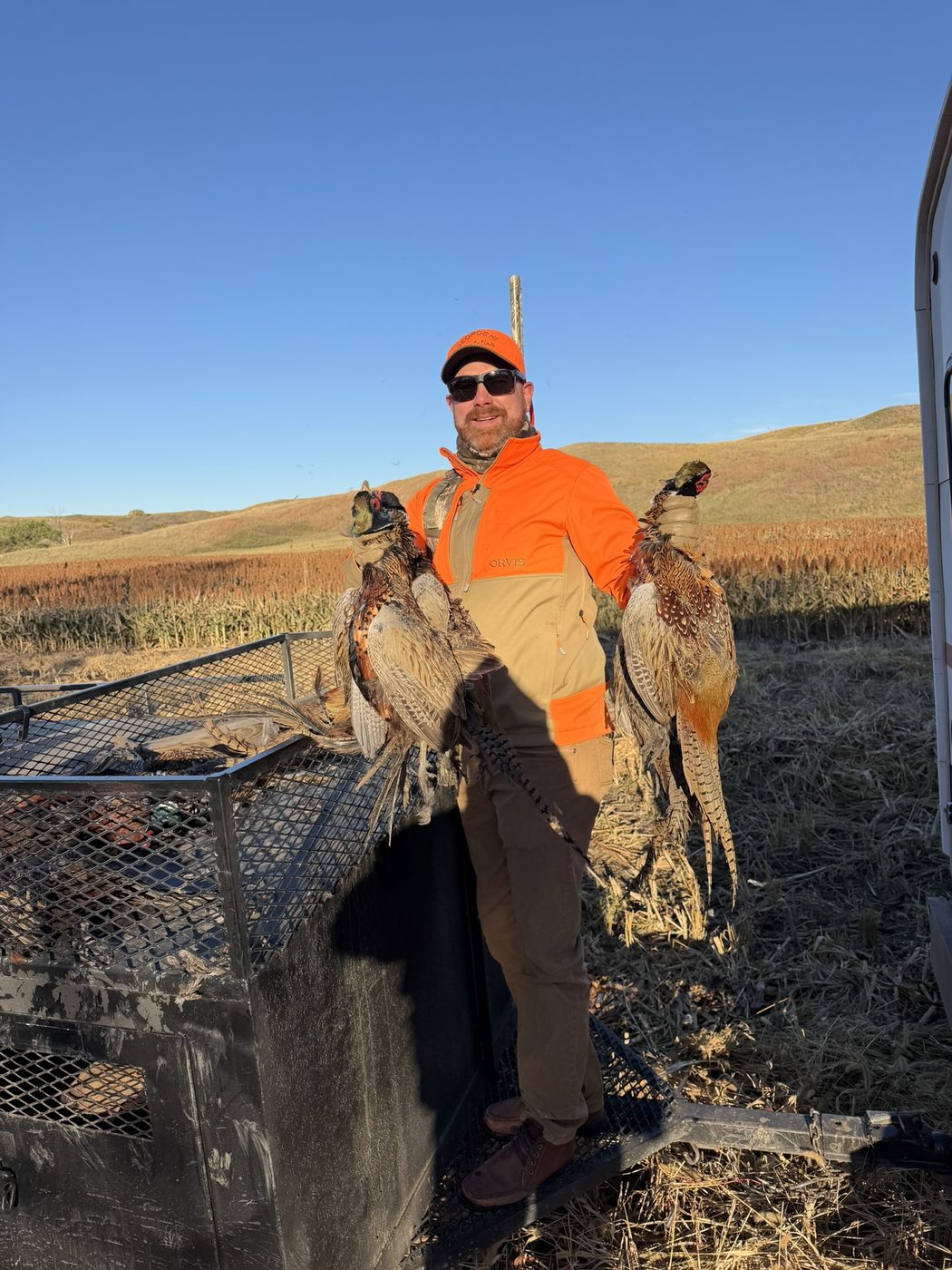
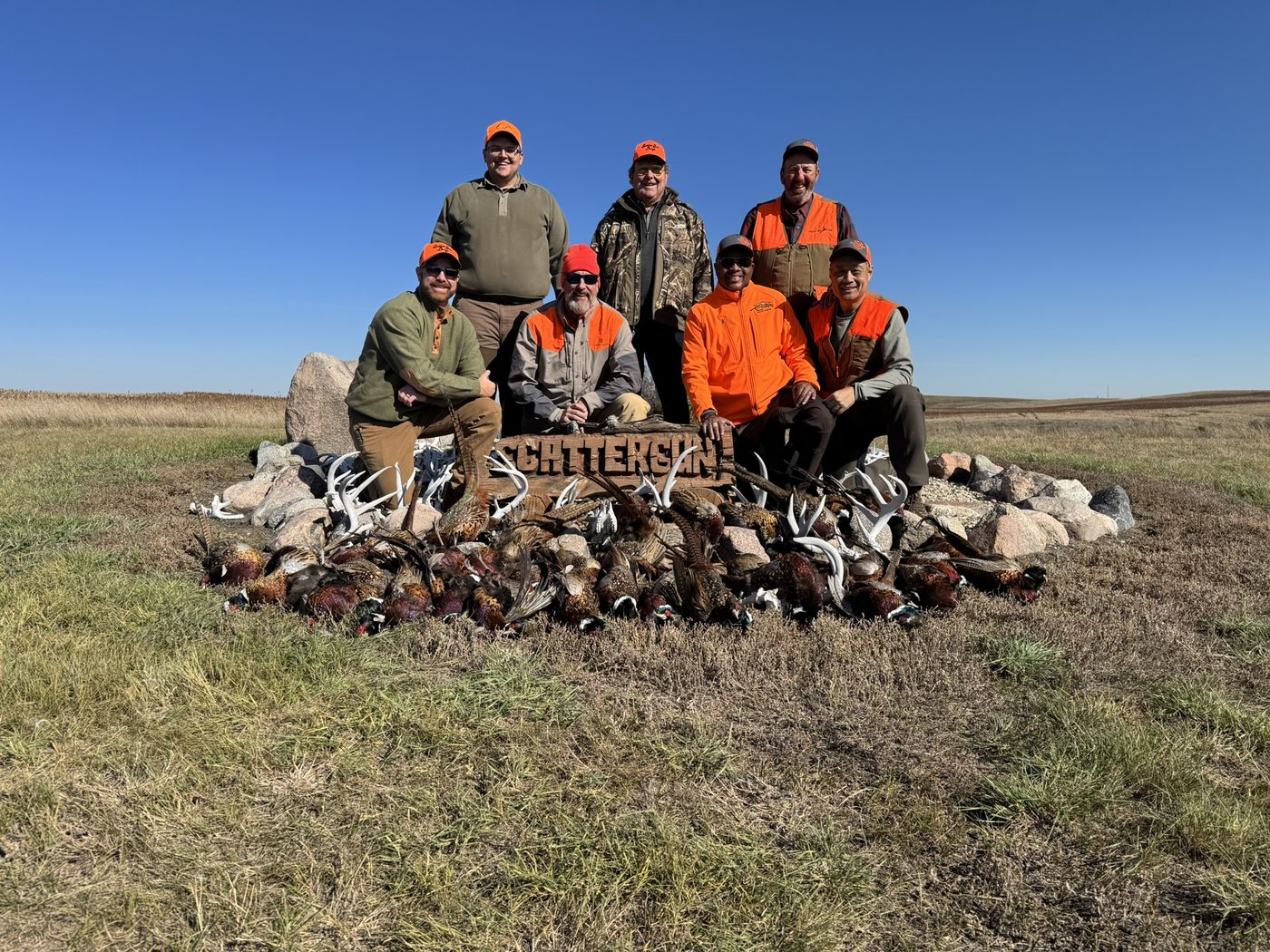
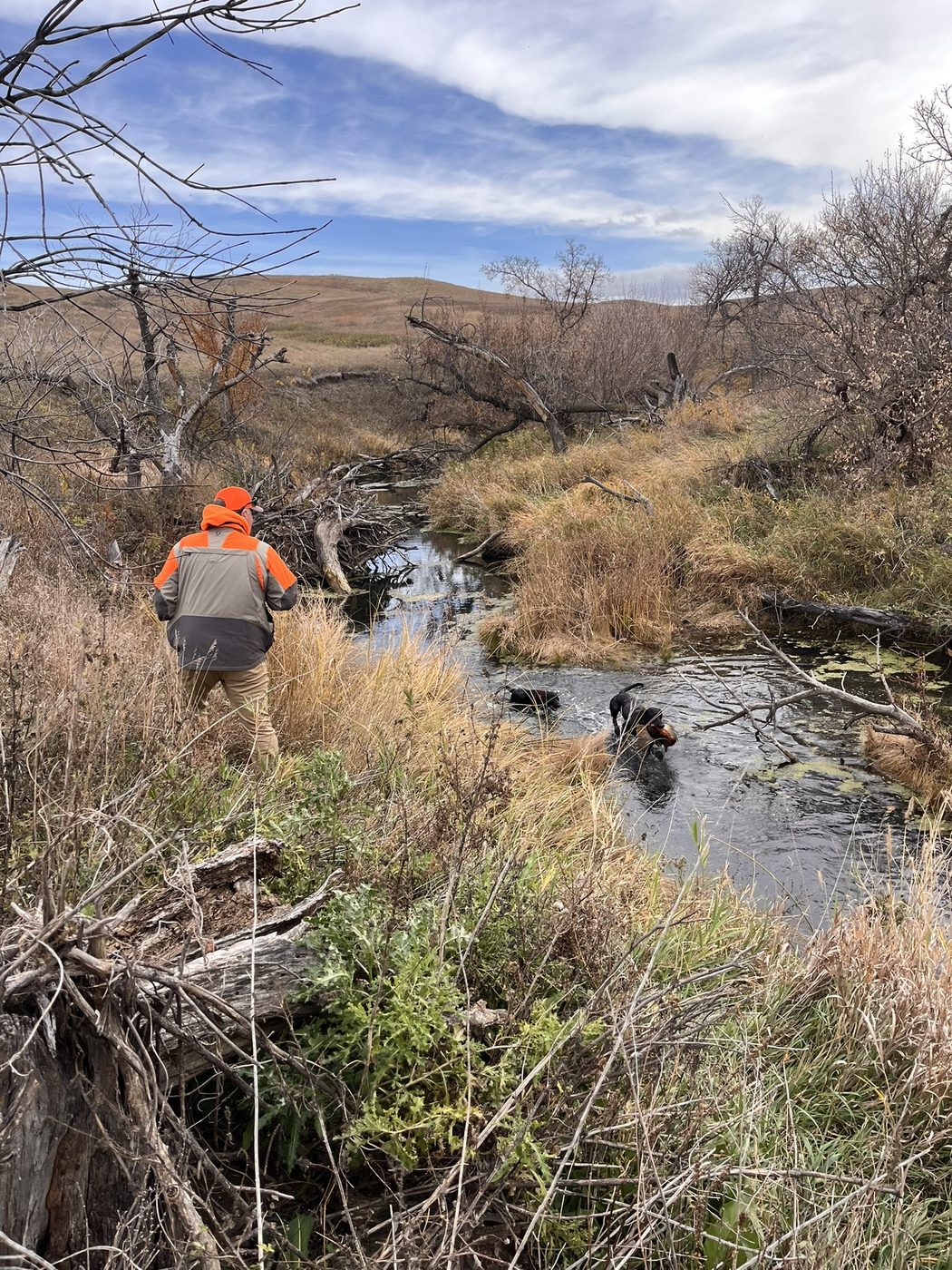
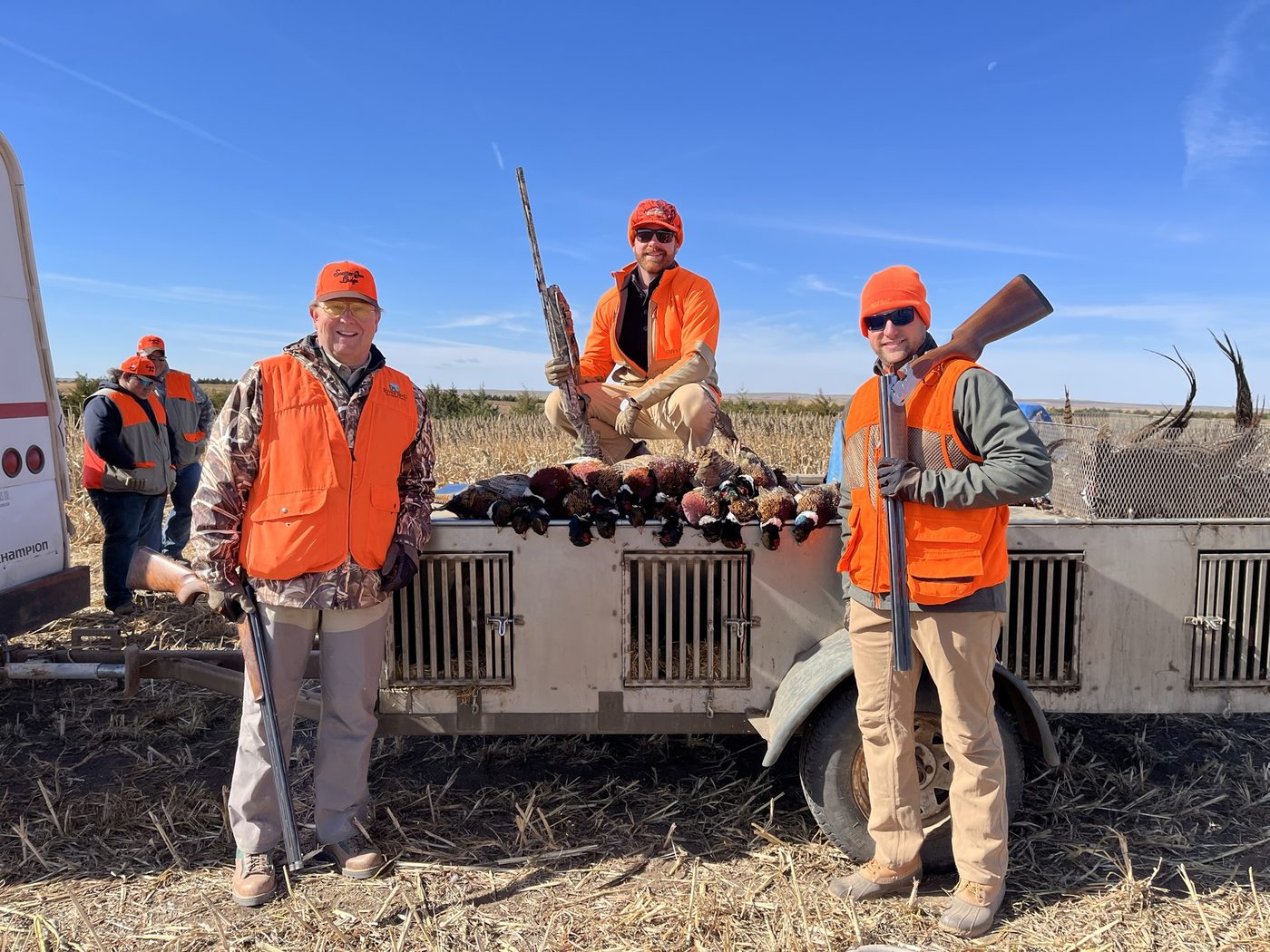
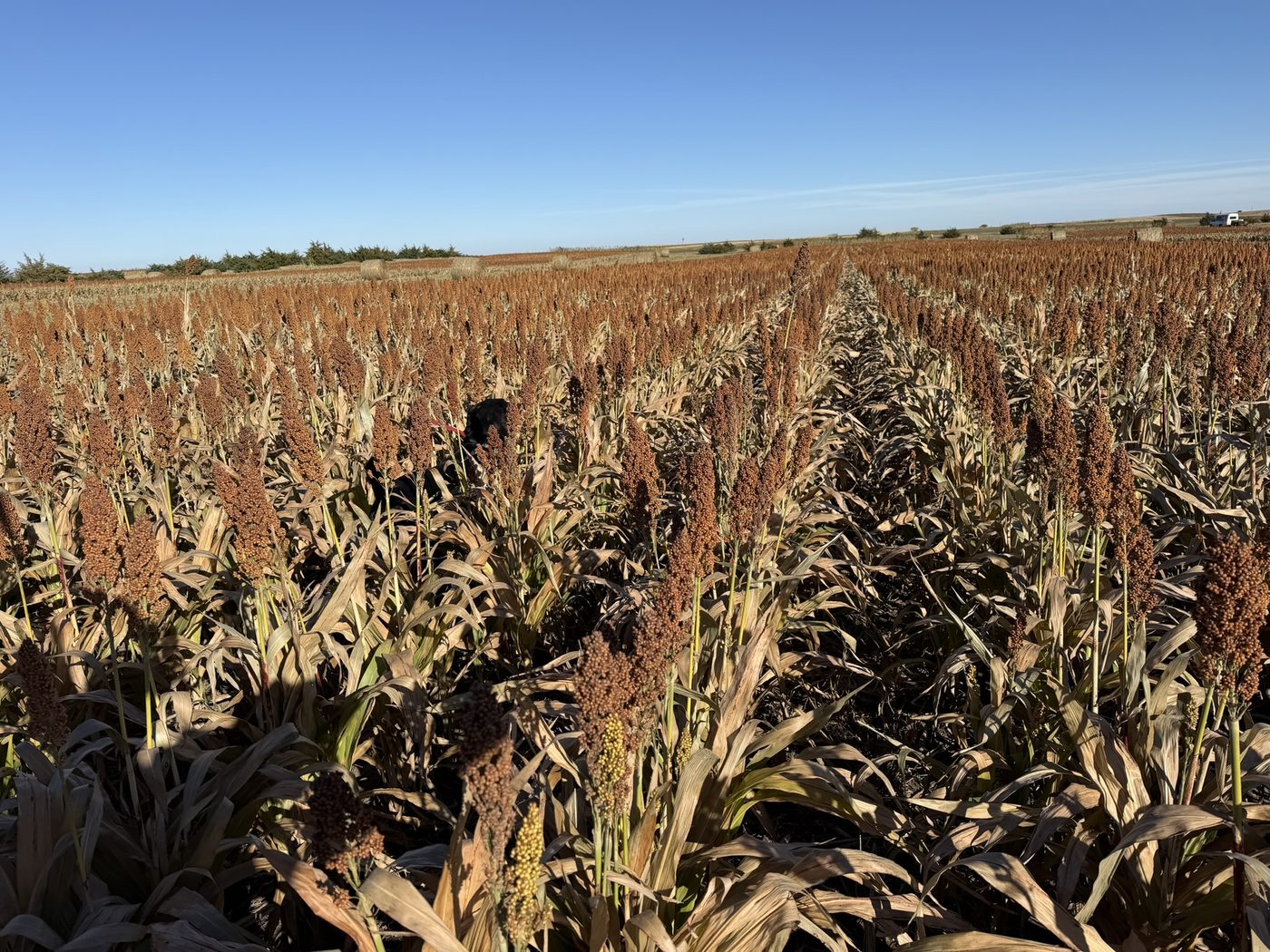
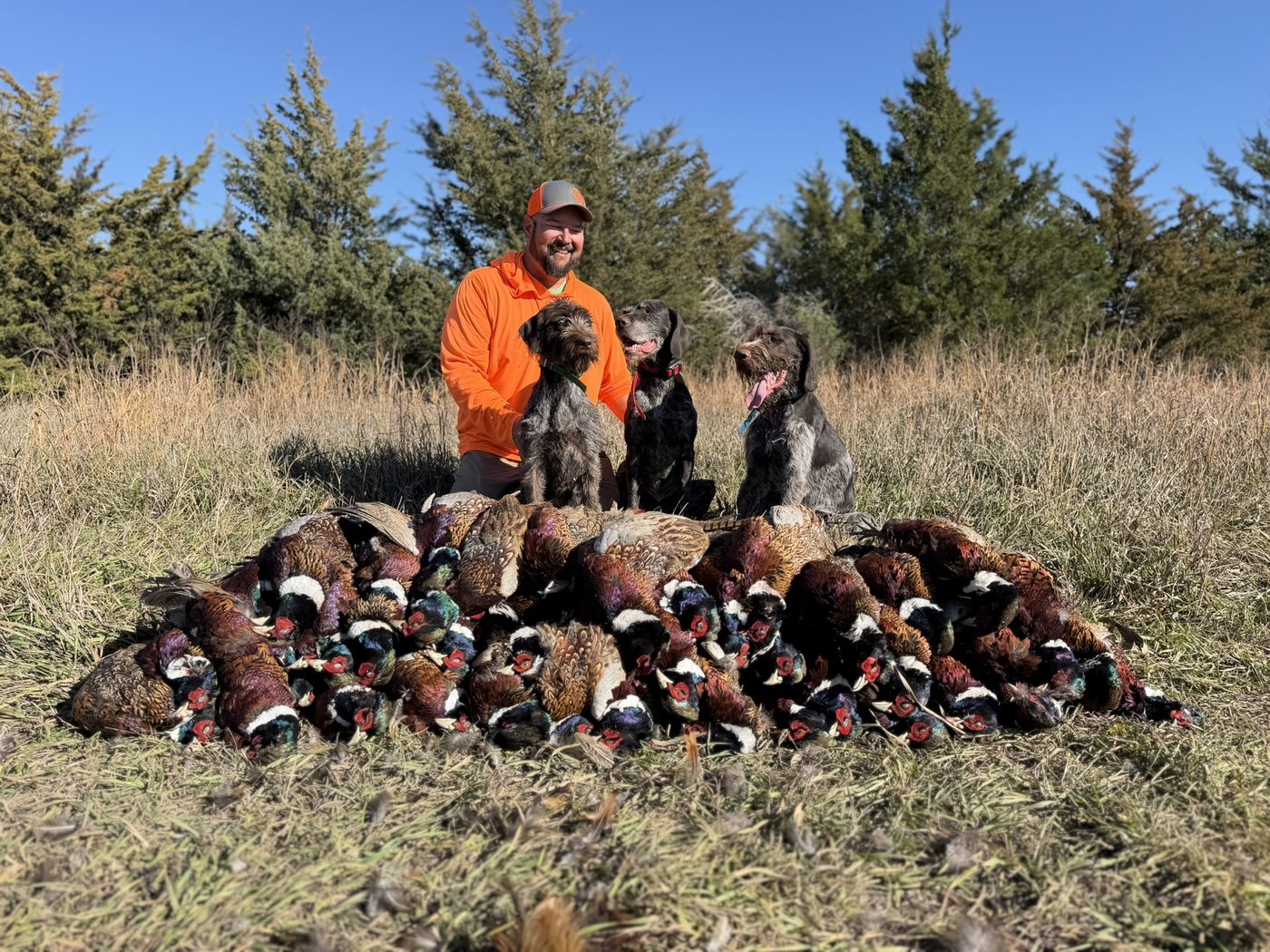
More from the field on Instagram: @wearitworks
How to behave
Nobody remembers how many birds you shot. They remember whether you were safe, whether you were generous, and whether they'd invite you back. A gentleman in the field is quiet, careful and quick to give credit away.
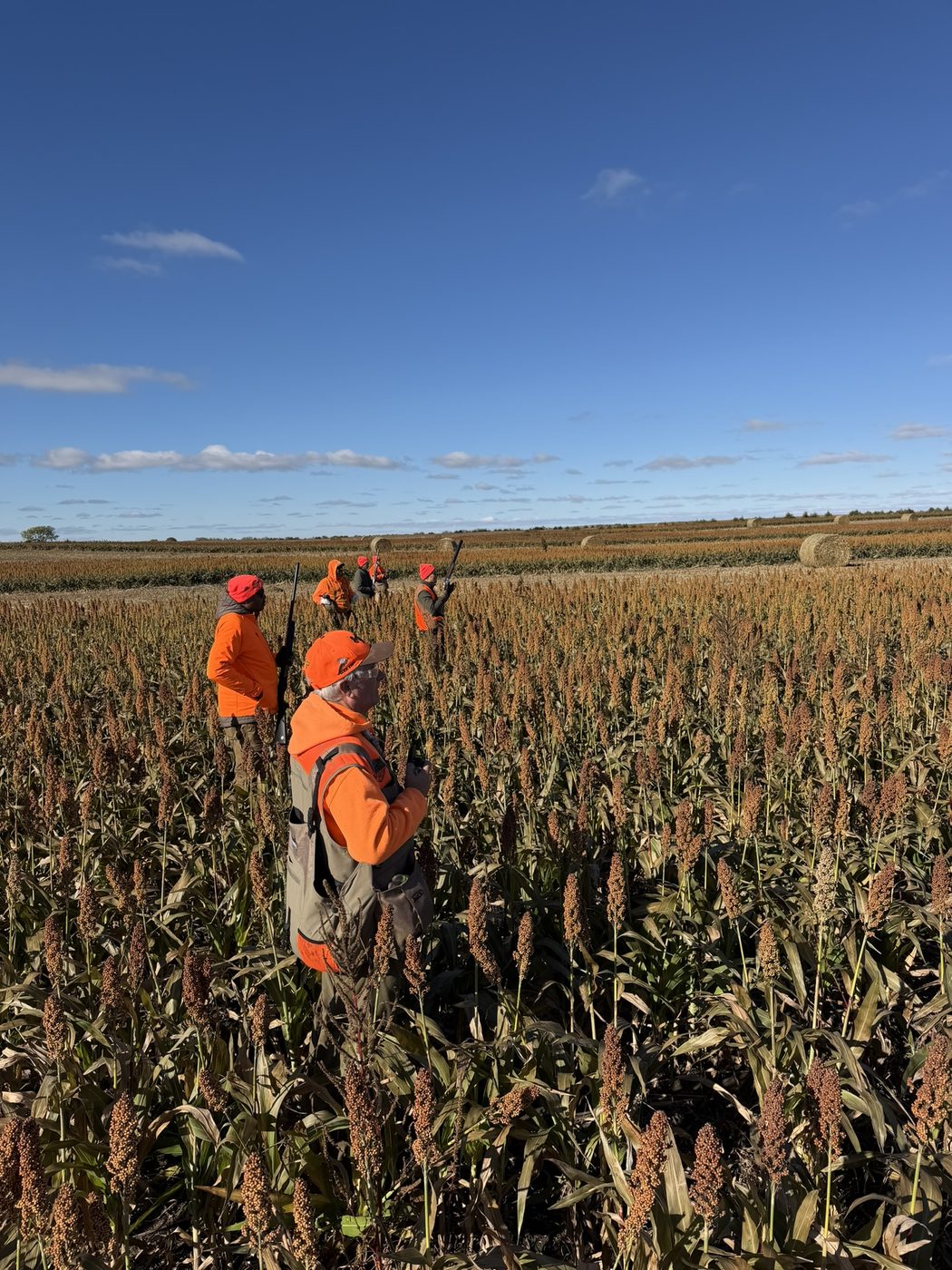
Know where your barrel points every second. Keep the action open whenever you're not actively hunting: at the truck, crossing fences, at lunch. Unloaded and open is the polite default.
Stay even with the hunters beside you and shoot only in your own lane. Never swing your gun through the line, and if you lose track of where everyone is, don't shoot.
If a bird flies low, let it go. Dogs and people are at ground level. Only shoot with clear sky behind the bird.
Learn the rules before the first flush: which birds, which sex (in many places only rooster pheasants), and the bag limit. When in doubt, don't shoot. Nobody minds a passed bird.
When two people shoot at the same bird, offer it to the other hunter. Never argue over a bird. Praise good shots, stay quiet about missed ones, and never make excuses for your own.
The dogs are the stars. Don't call, feed or correct someone else's dog. Compliment the dog and its handler, and move at the dog's pace.
Leave every gate the way you found it, pick up your empty shells, and thank the landowner by name. Offering to share your birds is a gesture that gets you invited back.
On a guided hunt, tip the guide and dog handler at the end of the day, in cash. Not sure what's customary? Ask the lodge when you book.
No alcohol until every gun is unloaded and put away for the day. No exceptions, even for a quick toast.
Loud voices push birds. Save the stories for the lodge, and don't oversell your experience. Asking the guide how they'd like it done is a sign of a seasoned hunter, not a rookie.
"[Add a tip from a guide or experienced hunter here, in their own words.]"
What to pack
Show up with everything you need and you'll never have to borrow, which is half of looking like you belong.
Some links on this page earn us a commission, at no cost to you.